Tag: Trauma

  • When Is Enough, Enough?

    WHEN IS ENOUGH, ENOUGH?

    Sure, every relationship has its challenges. This can become more highlighted over the holidays, with spending too much time together, or feeling disappointed by a lack of attentiveness over the festive season. But when is enough, enough?
    When does trivial irritation become toxic? There can be a lot of victim blaming at the end of the line, and perhaps both partners become the victim in some way. Some relationships fizzle out peacefully, while others become toxic and explosive.

    And how do we react to these stressors? The truth is that when a relationship becomes toxic or abusive, your body is programmed to protect itself. If you are under verbal or physical attack, you are eventually going to respond, no matter how you may try to stay calm.

    This is because every nervous system has its limits, and once reached something has to give. Whether it’s fight, flight or freeze will depend on your wiring, your trauma and your situation.

    These are automatic, instinctive stress responses that prepare your body to survive a perceived threat, involving physical reactions like increased heart rate (fight/flight) or going still/numb (freeze) as your nervous system mobilizes for action or shutdown. It’s often seen in anxiety or trauma but was once useful in genuine danger. (And still can be).

    More recently another response has been added: Fawning.
    Let me break these down, you’re bound to recognise one in yourself.
    Fight: Preparing to confront the threat, potentially through aggression, arguing, or physical struggle.
    Flight: Instinct to escape or run from the danger by putting distance between yourself and the threat.
    Freeze: Feeling stuck, numb, or unable to move or speak, your body goes rigid, which can help you hide or assess the danger.
    Fawn: Trying to appease or please the threat to avoid conflict, often seen in trauma. 

    When you feel under attack, a number of factors come in to play physiologically.
    -Your amygdala becomes triggered in your brain.
    -Your heart rate and breathing speed up to deliver oxygen for your body to perform at is best.
    -Your muscles tense and prepare for action.
    -Your pupils dilate, hearing sharpens, and peripheral vision increases to assist you.
    -Your blood is redirected to major muscles, making your hands/feet cold and even clammy, and your clotting factors increase. 

    Your body is an incredibly smart survival machine, and this all happens automatically. Although you are unlikely to be chased by a bear these days, it will still be triggered by genuine danger or by non-threatening situations if you have experienced trauma or have anxiety disorders.

    So an argument with your partner can lead to over stimulation and overactivity of the amygdala (that primitive part of your brain that is trying to keep you safe), and set all these physiological responses in motion.

    Perhaps you are being victimised at work?
    You are unlikely to punch your boss in the face, or run out of the boardroom. You are most likely to freeze or fawn. But over time, if the victimisation continues you will probably walk out, or hand in your notice quietly and never go back.

    Perhaps you are in a toxic romantic relationship?
    You might become emotionally distant over time, to guard yourself from the pain being inflicted. Disappear from their DMs, ghost their calls. Or try to outrun the situation by driving somewhere or locking yourself in a bathroom when a conflict escalates in your physical space. (And earn the label of ‘avoidant’, which can also be a form of victim-blaming, but is also a form of self-protection).

    In a family or work or romantic relationship flight is not always an immediate possibility. This could be due to financial reasons or because you are physically being prevented from walking out. And that is when you might freeze, fawn or eventually, fight.

    This is a survival response that is hardwired into your nervous system. It’s intended to protect you from physical harm, but it kicks in for psychological harm too as your blood pumps full of adrenalin. And before you know it, you find yourself cornered and start lashing out like a wild animal. This is called reactive abuse and you are probably going to feel awful about it the next day.

    And although you can’t help it, this is a very damaging response, and you need to know that it’s not your fault. You are not a monster, and you are not the abuser. You are only human, and your nervous system is trying to survive under intense emotional or physical threat.

    If your situationship remains unchanged, over time you might begin to develop CPTSD. This happens if the abuse is ongoing and you cannot get away.
    Complex PTSD (Post Traumatic Stress Disorder) is a condition resulting from prolonged or repeated trauma, like chronic abuse or neglect. Verbal and emotional abuse fill this category too.

    The problem with reactive abuse is that it’s very dangerous territory. It shifts you temporarily from victim mode into self-defence, and for a moment your partner will see YOU as the abuser. You might scratch, pull hair, lash out or shove this person in panic or an attempt to make them stop, or to get away from them.

    If you are fortunate, a surprise show of strength might result in your partner backing down, this time. But over time, or perhaps immediately your partner will become more enraged, placing you at a greater risk.

    If your reaction produces an even more extreme reaction in your partner, it will escalate the situation. And they might even use it against you, threaten to video your reaction, or shame you and justify their own behaviour. Perhaps even blackmail you to keep you under their control.

    What is important in these types of relationships is to have an exit plan and start implementing it.
    Tell somebody.
    Speak to somebody about an emergency place to sleep for future incidents.
    File a report.
    Get a restraining order.
    Get a job.
    Start saving.

    In the meantime, there are some other things that you can do to regulate your own nervous system.
    Start by understanding your pattern (fight, flight, freeze, or fawn), this is the key to managing it. Recognise what is triggering you and take steps to avoid it where possible. Give some thought to how you can circumvent or de-escalate the situation from your side by recognising your partner’s triggers. Now, I’m not suggesting you walk on eggshells forever, just until you can make a nice toward safety or work out a better way to respond.

    Start practicing techniques that can carry you through this situation while you are working on your exit plan. Try mindfulness, grounding techniques, exercise, therapy, and self-care can help calm an overactive stress response. Positive visualisation and body talk.
    Ask for help and start taking positive steps to change your situation.
    You deserve a peaceful relationship or environment in which to grow and thrive.

    I am a holistic life coach and wellness coach, with a special interest in relationships and woman empowerment.
    T/DR Candice Baker
    00013133614
    You can book a session with me on WhatsApp
    +0027833613255
    “Your most aligned life is crafted—element by element.”

  • The Crime Of Flying Solo.

    THE CRIME OF FLYING SOLO

    Let’s talk about being single…
    Recently a man responded to one of my posts , saying ‘no wonder you are single’, meant as an insult and a judgement. But sometimes your relationship is just cortisol wrapped in cologne, honey.

    Here are my thoughts:

    There is this idea that a woman only has value of she has been chosen by a man. That a single woman is somehow defective. That the only way a woman can command respect or stature in society is by being somebody’s wife. That a woman needs the back-up of a man in order to be heard, or be successful. But these are outdated patriarchal ideas that have become part of the fabric of our collective unconscious. And they are not correct.

    I do believe that we are wired to want connection. That human beings love the idea of being chosen. That we crave intimacy and physical touch, perhaps a over all else. We are social beings and biologically driven to search for sex. But sex is not intimacy. And when we start to discern this, we can re-imagine this biological blueprint.

    In this era, in this country a woman can earn her own money, drive her own car, and buy her own home. So why are we still clinging to the idea that we need to be in a romantic relationship? Don’t get me wrong, I love a romantic relationship as much as the next person, but the truth is that many of us are clinging to liaisons way beyond their sell by date. Habit? Convenience? Perhaps. But also because we have come to believe that being in a relationship is somehow superior to being single.


    However, if you have ever been single for a period of time, you might have discovered that being single is a powerful and self-affirming choice.
    Being single is a state of unapologetic independence.
    It’s the choice of self reliance, of friendship over romantic love.
    And let’s face it, romantic love isn’t always so romantic.
    Being single is choosing peace over conflict.
    Choosing happiness over mediocrity or hurt.
    It’s being happy with your own company, comfortable in your own space.
    To travel solo and meet new people outside of your comfort zone.
    Being single is choosing freedom, embracing our wildness and being open to new possibilities.
    Being single is a conscious choice to wait for the right time or right person.
    To not settle, or stay stuck.

    Most importantly, being single is choosing yourself, and this is not selfish. Calling back your energy is one of the most important things you can do for yourself. By doing this you are investing in yourself. Making time for your own projects and passions instead of investing in somebody else’s.

    Some of the most productive times in my life have been when I was single. Even when I chose to sit with my unhappiness… writing, journeying, contemplating. Choosing to sit with my trauma until I understood it and could set it free, without the band aid of throwing myself into another relationship..Trying to fix or help a partner rather than myself. This is where personal growth begins. This is the most important journey of your life time, the journey into self.

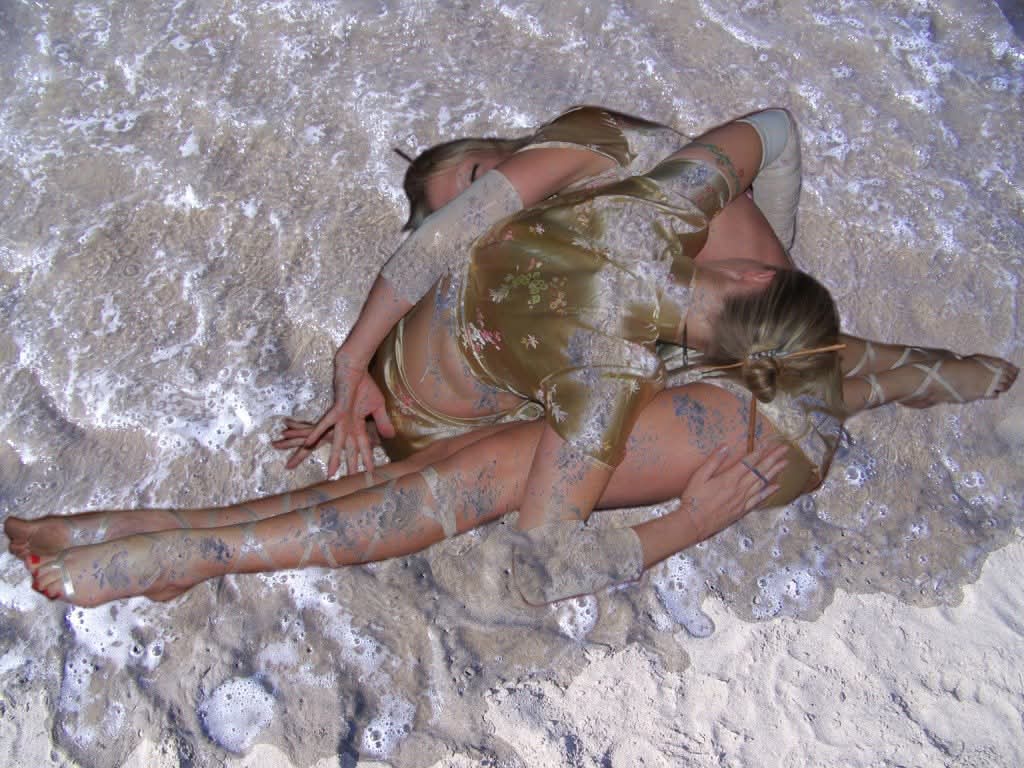
    I am not single but I am very happy when I am. This image is of me being single at Feel Festival in 2019, feeling ALL of the feels. ❤️

    If you struggle with being single, or are needing to remove yourself from a toxic relationship, let’s talk.
    Book a life coaching session with me online or in perso .

    I am a holistic life coach and wellness coach, with a special interest in relationships and woman empowerment.
    T/DR Candice Baker
    00013133614
    You can book a session with me on WhatsApp
    +0027833613255

  • Sleeping With The Enemy

    SLEEPING WITH THE ENEMY

    Most of us have heard about Post Traumatic Stress Disorder, and we link it to war veterans and victims of physical violence. But the truth is that this type of trauma response is not just linked to war, you could be experiencing trauma in your own home that could be causing a lesser known stress disorder. It’s called CPTSD (Complex Post Traumatic Stress Disorder) and differs from PTSD primarily in its cause.
    CPTSD stems from prolonged, repeated trauma like long-term abuse, whereas PTSD typically follows a single or limited, acute traumatic event like a car crash.
    So that recurring psychosis your boyfriend gets from smoking weed, or the angry outbursts your dad gets from too much alcohol can affect you in a similar way.
    Clinically, CPTSD includes all PTSD symptoms plus additional clusters related to emotion regulation, self-perception, and interpersonal relationships.
    What this means is that not only will you experience symptoms of PTSD, you will have other emotions to deal with too.
    With PTSD you might experience flashbacks, intrusive thoughts or nightmares, which can be extremely disturbing. You will try to avoid reminders of the trauma you experienced, like driving, or avoid the feelings it brings up, even avoid thinking about it entirely.
    It can leave you feeling edgy and irritable a lot of the time, and your nervous system will be constantly on high alert for recurring danger. You become the world’s worst passenger.

    With CPTSD, you might experience all of these things, plus 3 more areas of difficulty.
    When trauma is long term or inescaple, from childhood abuse or domestic violence, you will be left struggling to regulate your nervous system. You will be living in fight or flight mode.
    Your emotions will be intense, and you might feel as if you are walking on egg shells as soon as the front door opens at night.
    Over time, long term abuse will alter the way you see yourself, and could leave you with a negative self image.
    You might embody feelings of worthlessness and shame, taking on the blame yourself, or feeling embarassed about what is happening to you.

    In the context of your outside relationships, you might struggle to trust and connect to people, which will affect your ability to maintain stable relationships.The very thing that you need to help you heal.

    So if your home life or love life is leaving you feeling broken or damaged, it’s time to make a change. It might not be possible to make a clean break from the one who is traumatizing you, but the first step is to recognise that you are worthy of so much more than this. Try some meditation or positive visualisations, there are many free apps you can use. Begin practicing self love, start with little rituals like picking a flower for yourself, or taking a long bath with bubbles. Nurture your inner child.

    Start taking steps to regulate your nervous system, like breathwork and yoga. Take some walks, spend time in nature bare foot, and find somebody to talk to. This could be a friend, teacher or counselor. There are free services available if you need them.

    And slowly make your exit plans, save some money, get employed, start a new hobby and improve your support system. Starting over might seem scary, but it’s your chance to build something better this time.

    So make your plans, breathe in your courage and exhale knowing you’ve got this. Happiness is an inside job, so start there and watch yourself bloom and outgrow your current situation.
    You deserve more.
    You are worthy.
    You are enough.

    I am a life coach and wellness coach, with a special interest in relationships and woman empowerment. You can book a session with me on WhatsApp
    +0027833613255

  • The 90 Day Hiatus

    THE 90 DAY HIATUS
    There is power in reclaiming your space, reclaiming your body, reclaiming your energy.
    There is power in creating the space to reflect and to heal.

    Sometimes, the only way to heal from a rupture is to remove yourself from the triggers. If somebody hurts you, there is this remembrance in your body that will react to the little things that they do, the little reminders of the hurt they caused. This is your body’s response to the trauma. Your body trying to protect you. So you might find yourself in full fight or flight mode over something relatively small, something that’s pointing towards a recurrence of that hurt.
    While you are trying to heal, every tiny incident is going to take you right back there. A setback, but also a form of processing. It might be upsetting, but its completely normal. You will experience high levels of stress and panic, reliving the way the incident made you feel. Your mind is processing and your body is feeling it as if it is real, and on repeat.

    The truth is that if your partner loves you and knows they have caused you pain, they should take steps to shield you from these triggers. A previously unfaithful man should take care not to make comments on other woman’s bodies or lock his phone, for example. An alcoholic talking about booze may send his partner into a distressing spiral, making her re-live the last nasty incident and instantly feeling unsafe.
    If they value the relationship more than their addiction or destructive needs, they need to refrain from saying and doing even small things, because you will be hypersensitive and on high alert for quite some time.
    Holding your breath everytime he speaks, being watchful, walking on egg shells can feel like sleeping with the enemy.

    An unfaithful partner is no longer connected to you, an addict is bringing a third person (or energy) into the relationship too. So while you are advocating for healing and protection, he is hearing nagging, whining, accusing you of being controlling. But the issue is their lack of control. He is so involved in this other energetic intruder that he cannot feel the depth of your despair, hurt, or rage. Your emotional, physical, mental and somatic distress is lost on them, they are emotionally bound to somebody or something else. Obsession sweeping everything else under the rug.

    Yes, you can learn how to manage your reactions with yoga and breathwork, I’ve written about PTSD before. But if he is going to continue to drip feed the trauma and find every loophole, you are going to continue spiralling. It can take a woman two years to recover from trauma, and that’s a single incident. An emotional trauma might be invisible, but it’s the somatic equivalent of a train wreck. Add in some repeat offences and you’re off on an epic healing journey of many years. If a man cannot show up for his own emotional needs, using women or weed to sooth himself, he will struggle to show up to help co-regulate yours. (Of course this can be the other way around too).

    So how do you get out of the loop? The answer is that space might be the ultimate healing tool for your journey towards mental health. Take your power back to heal yourself.
    Limit your exposure to the triggers. Especially if there have been multiple traumas, your I’m -not-safe beacons will be ablaze. Take time and space to reflect, to recalibrate, to grow.
    Your nervous system will begin to regulate outside of the influences that were distressing you.
    You will experience a settling. Of insight, of calm, of clarity.
    You will be able to invest your energy into yourself, pour it into your healing, your hobbies, your projects.
    When you pull your energy back to yourself you will start a growth cycle that is exponential.
    You will start to feed your soul and your soul will start to nourish you back.

    In the context of a relationship, it’s a win win. Both parties getting the time to reflect, to invest in themselves, to regulate their nervous systems. For him (or her) to learn self soothing and healthy coping patterns.
    To choose differently, design a way forward consciously. With each other or perhaps without.

    90 days in the context of a lifetime is well worth the time, and can bring massive rewards with very little time invested, in the grand scheme of things.
    It can allow the breaking of old, destructive patterns, and shift thought processes into a healthier space.
    You can create a regulated somatic state, without another person drawing on the energy you are generating.
    A state where you are not longer highly reactive, and can navigate challenges with more calm and detachment.
    You can release trauma and gain self awareness, as well as greater insight into your situation.
    It’s not a luxury, sometimes it’s a necessity.
    When it comes to re-wiring your brain, there is magic in the 90 day journey.

    I am a life coach and relationship coach.
    WhatsApp bookings 0833613255

  • Can Your Relationship Give You PTSD?

    CAN YOUR RELATIONSHIP GIVE YOU POST TRAUMATIC STRESS?

    The answer is yes, your relationship can give you post traumatic stress and it’s all in the name. It’s the stress that you feel after a traumatic incident, such as a fight or being threatened.
    During a fight, your body goes into flight or flight mode, a reflex designed to save your life. It dates back to our caveman days, where you needed extra adrenalin to fight a bear or outrun a mountain lion.
    But in today’s world we are seldom being chased by bears. So when our body gets flooded by adrenaline we cannot always use it to fight or to run.
    And when the trauma is over, our body gets stuck in this loop of re-living the stress and feeling unsafe.

    PTSD can be the result of one big, upsetting incident, or a string of bad situations that you can’t control. But each time something bad happens to you, your ability to bounce back becomes less.

    In severe cases it affects your sleep and can give you nightmares, or flash backs.
    You will find your head going round and round in circles and a constant knot in your stomach. And just when you think you’re feeling normal, you’ll suddenly be overwhelmed by anxiety for no apparent reason.

    Here are some other symptoms you might be experiencing:
    Behavioural: agitation, irritability, hostility, hypervigilance, self-destructive behaviour, or social isolation.
    Psychological: flashbacks, fear, severe anxiety, or mistrust.
    Mood: loss of interest or pleasure in activities, guilt, or loneliness.
    Sleep: insomnia or nightmares
    Also common: emotional detachment or unwanted thoughts.

    So what you can you do to recover from PTSD?
    Firstly, try and remove yourself from the situation that is keeping you trapped in this loop. Once you are feeling safe, your nervous system can begin to start self- regulation.
    Secondly, talk to somebody about it, expressing your feeling about a traumatic event, and talking about what happened to you helps your brain to process it, and your body to begin working through it.
    Thirdly, you can use some tools to cope when you feel overwhelmed:
    -Distancing yourself from the situation.
    -A change of environment.
    -Yoga to shift your focus away from the trauma and into balancing on one leg, or finger, or whatever pretzel shape your teacher has in mind for you.
    -Get outside, take off your shoes, walk in nature a bit. Grounding, also known as earthing,works by connecting the human body to the Earth’s natural electric charge, typically through direct skin contact. This connection helps neutralize free radicals and potentially reduce inflammation by transferring electrons from the Earth to the body. This can lead to various reported benefits like reduced pain, improved sleep, and decreased stress levels.
    -Breathing, the trick is to take long, slow exhales. Try breathing in for 4 counts, then out for 8. As you relax, you might be able to shift this into a ratio of 6/12 or 8/16. A slow exhale switches your Vegas nerve into parasympathetic mode, tricking your brain and body into feeling calmer. Effectively switching off the fight or flight reflex.

    PTSD recovery is possible and involves a combination of professional treatment, self-care strategies, and support from loved ones. While some individuals recover naturally, professional help, including therapy and sometimes medication, is often needed for effective management and healing.

    Recovery is a process, and it’s normal to experience ups and downs.Accepting that healing takes time and being kind to oneself are crucial.

    Maintaining a healthy diet, getting enough rest, and engaging in enjoyable activities can contribute to overall well-being and recovery. Start by doing small things that make you happy and relaxed every day, try some meditation and positive visualisations, and remember to be patient with yourself.

    I am a holistic life coach and relationship coach.
    You can get in touch with me to book an appointment on WhatsApp 0833613255

  • Coaching Through Chaos

    COACHING THROUGH CHAOS

    There are many reasons for deciding to enter into a relationship with a coach. And many coaches out there to help you find your way.

    Maybe you need to set some goals?
    Maybe you have some problems at work?
    Maybe your personal life just went down the toilet?
    There are different types of coaches, each choosing their niche based on what their own life experience.
    Some have embraced a spiritual approach, or a new age approach. Some espouse traditional values and roles, and others may specialise in addiction or career building.

    So choose a coach who you admire, one who has already created the life you desire.

    Now I’m not saying that the coach you choose needs to be schizophrenic to help you with your schizophrenia. But I am saying that experience and niche should play an important role in your choice.

    So if you’re looking for a mushroom journey, choose someone who has experienced many, not just facilitated them.
    A coach who has been divorced will have unique insights into your relationship.

    A coach who has lived in long term relationships or had children might be the ideal person for your journey, or one who has the free spirit of a gypsey.
    Whoever you choose, pick a coach who has come out the other side stronger, who has tried and tested techniques .
    A coach who can give you hope rather than fear.

    I focus mostly on woman empowerment, on a personal level. Techniques to improve your self esteem, insight into yourself and your relationships. Awakening your inner goddess. That doesn’t mean I’ve always felt like a goddess, there have been some hard things I have had to work through to get here. Some crazy mistakes and epic comebacks, and they will keep coming. I’m passionate about helping women to bloom into the most beautiful version of themselves, inside and out.

    I haven’t posted for a while because I’m going through a lot of personal stuff right now. I’ve been focusing on me and my process to get through it, and it’s been really tough. But I’m still here, showing up for myself, exploring boundaries and wiser for it.

    So to all the coaches out there who may feel that their lives aren’t perfect, it is the way that you have overcome your own obstacles that makes you an effective mentor.
    It’s your life experience that guides you to help others in their decision making
    It’s your emotional processes that can lead your client through a tough time.
    Experiences forged through pure grit, ice and fire.

    So next time you feel unworthy due to a personal circumstance, take some time out to process your loss, grief or trauma. Remember there is a client out there seeking your wisdom. Not textbook wisdom, but raw, real life experience.
    Everyone wanders in the wilderness sometimes, and it’s how you find your way back to yourself that is the gift you can offer.
    I see you ✨

    I am a holistic life coach, relationship coach, and wellness coach.
    You can book a session via WhatsApp 0833613255